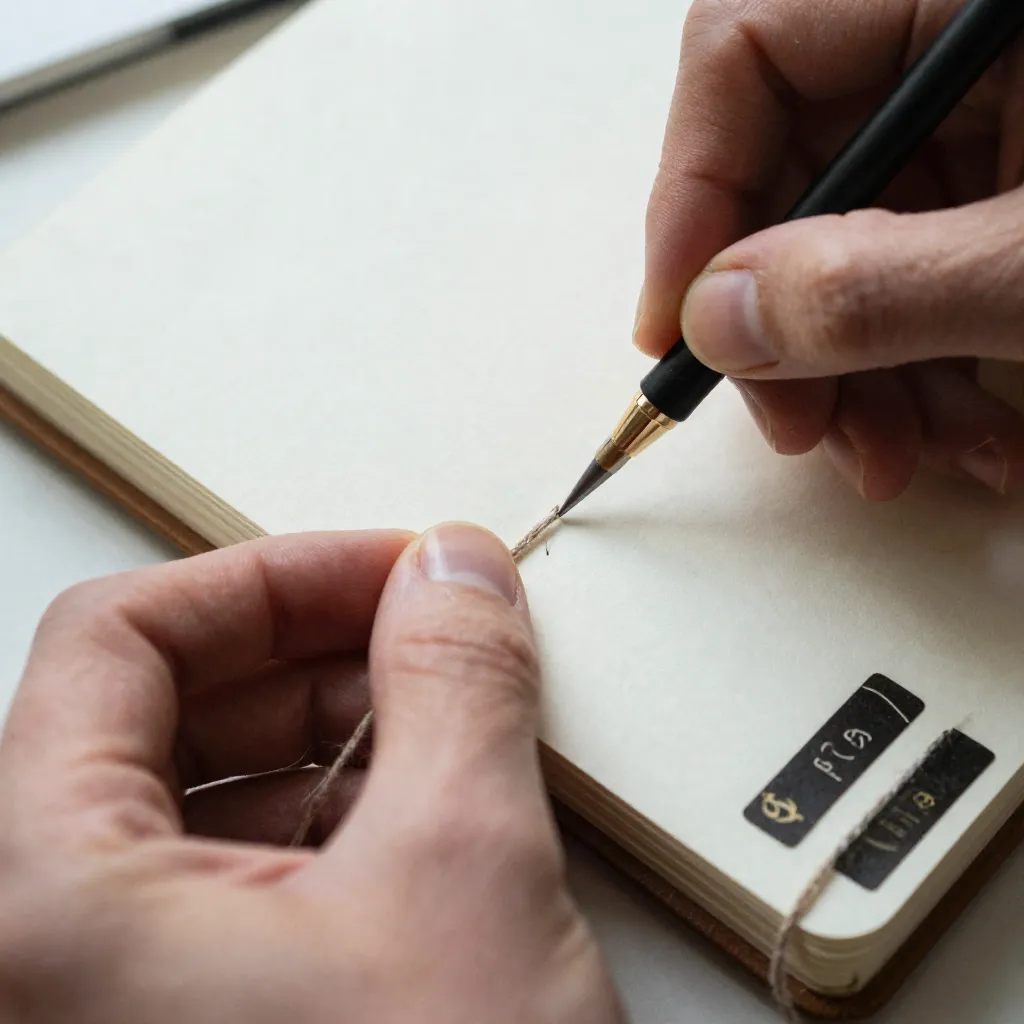
Our Methodology
Each restoration project follows a structured process designed to ensure quality results while preserving the unique character of each item. Below, we outline the key stages of our work.
Stage 1: Deconstruction
We carefully disassemble the item to assess its internal structure. This allows us to identify areas requiring attention and plan the restoration approach. Each component is documented and preserved.
Materials documented: Paper type, thread condition, cover material, binding method
Stage 2: Spine Reinforcement
The spine receives careful reinforcement using appropriate materials. We select reinforcement methods based on the original construction and intended use of the item.
Materials used: Archival-quality adhesives, reinforcement fabric, thread matching original specifications
Stage 3: Material Selection
We choose replacement materials that complement the original while ensuring durability. Options are discussed with you to ensure alignment with your preferences.
Available options: Leather varieties, eco-fabrics, specialty papers, thread types in various colors
Stage 4: Final Tooling
The final assembly brings all components together. Stitching is completed using the selected method, and finishing touches are applied to ensure a polished result.
Completion details: Edge finishing, cover attachment, quality inspection, final documentation
Techniques We Use
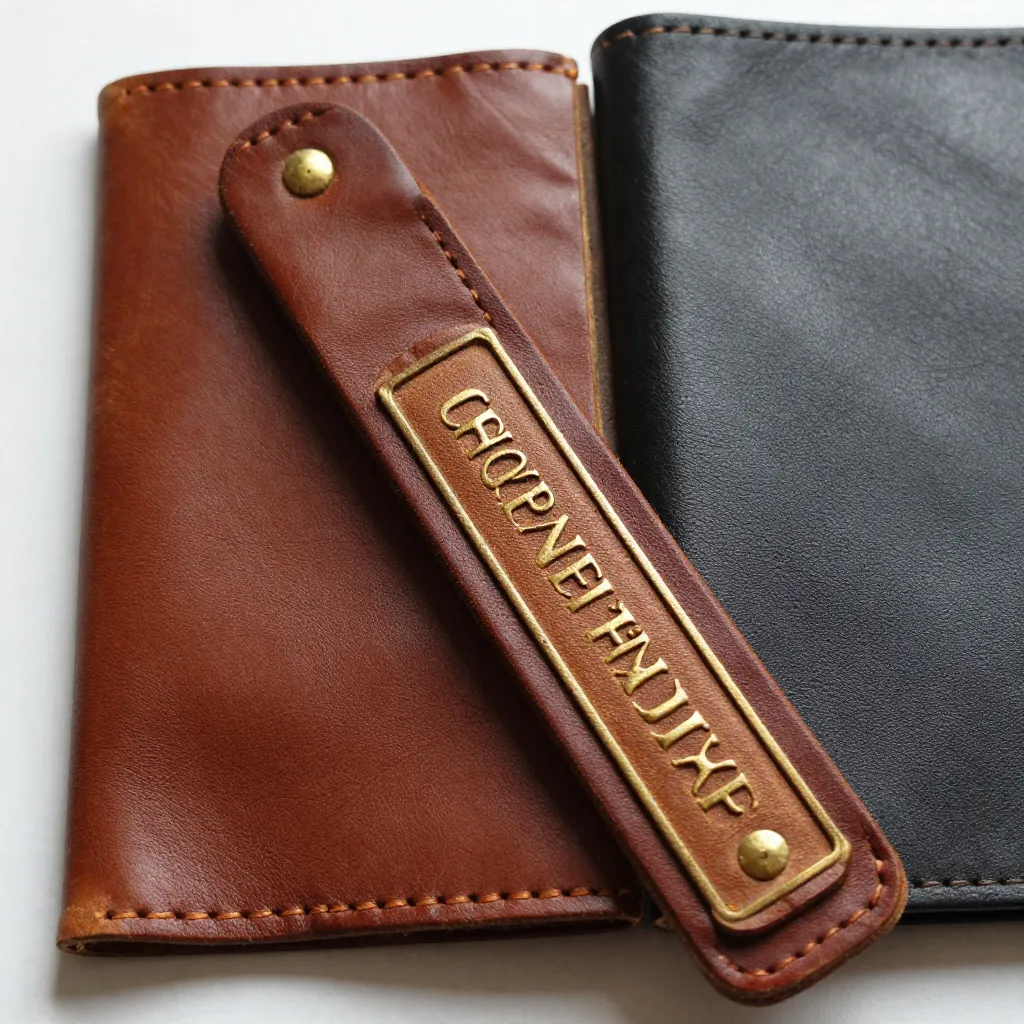
Coptic Binding
A method that creates a flexible spine while maintaining durability. Ideal for journals that need to lay flat when open.
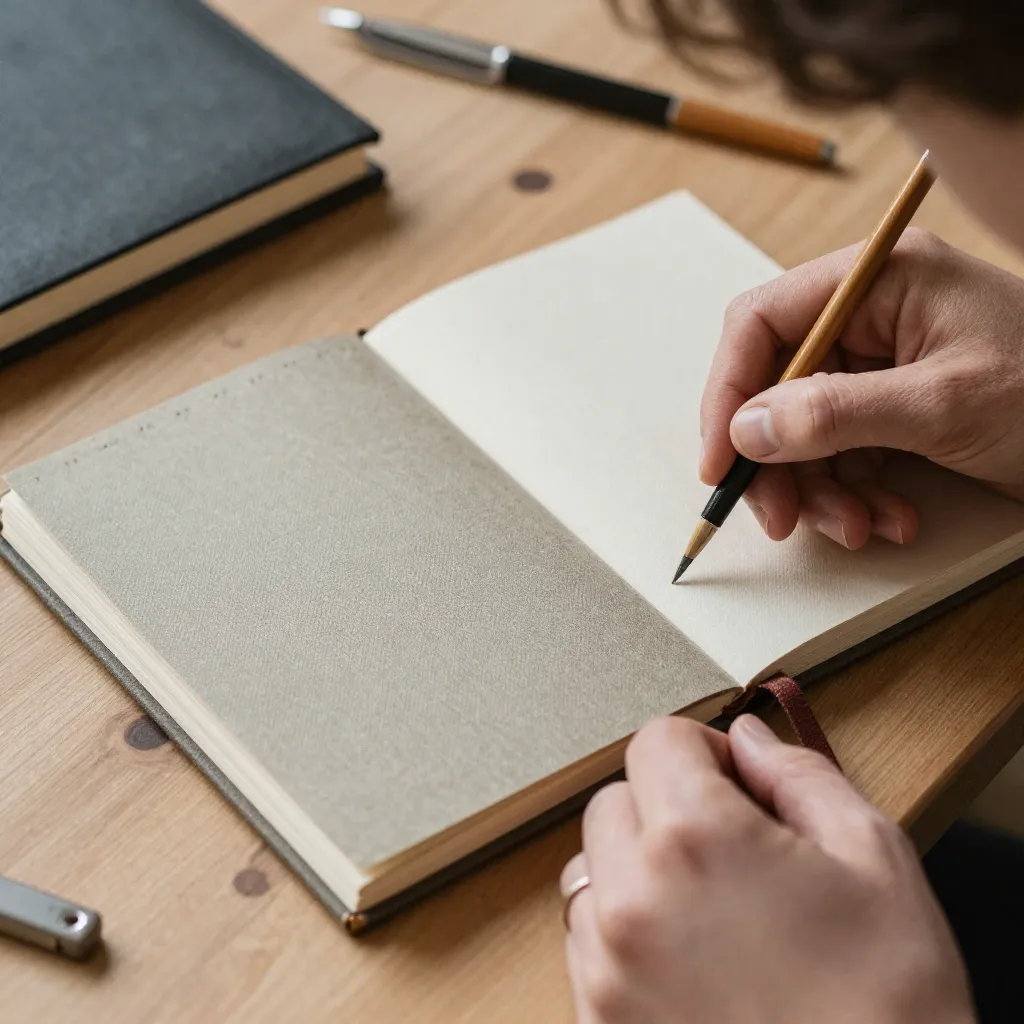
Japanese Binding
Traditional technique using exposed stitching along the spine. Provides both structural integrity and visual interest.
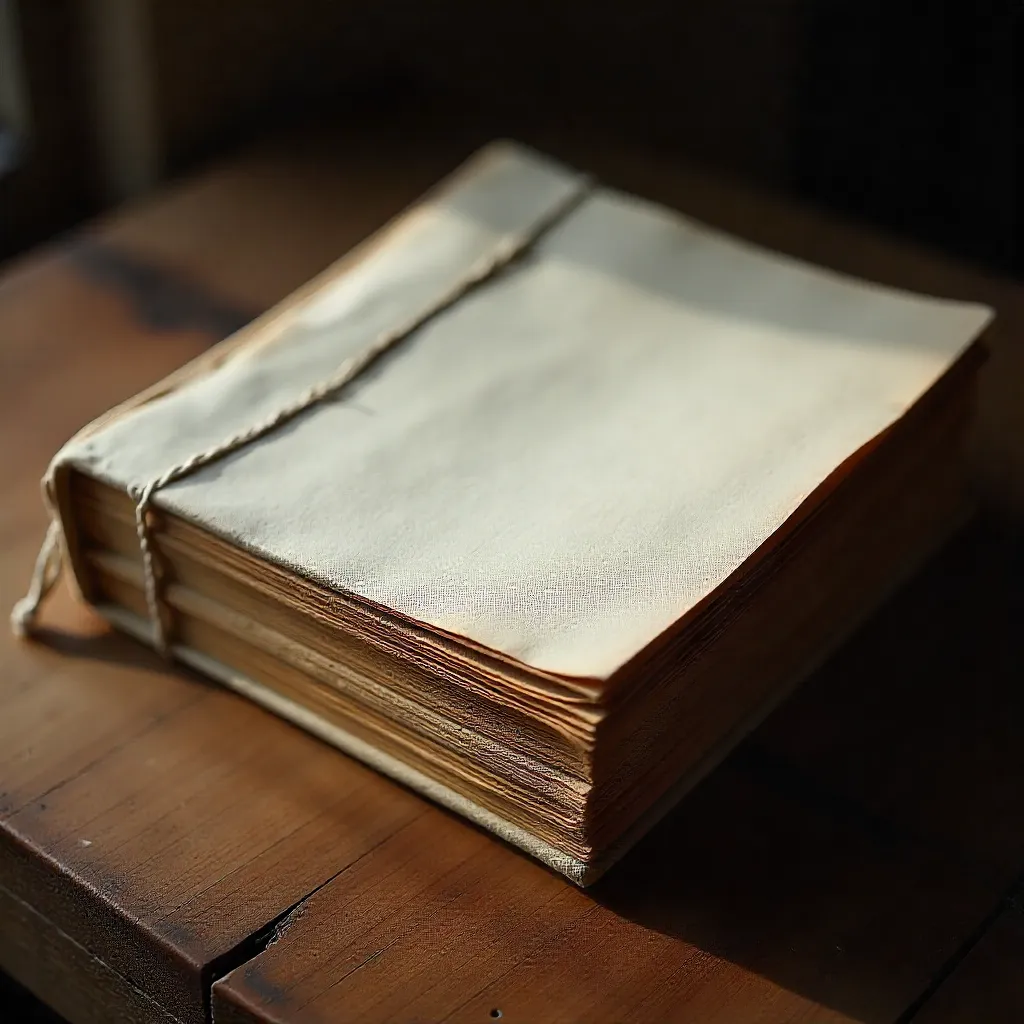
Long-Stitch Binding
A versatile method suitable for various paper types and thicknesses. Creates a distinctive spine pattern.
Begin Your Project
Ready to start a restoration project? Contact us to discuss your item and receive a detailed assessment.
Get in Touch